
What do cultural and religious accommodations mean in assisted living?
Cultural and religious accommodations are reasonable adjustments that help residents continue important beliefs, traditions, routines, and personal practices after moving into an assisted living residence. These accommodations may involve meals, worship, clothing, daily schedules, personal care, language, family involvement, and end-of-life preferences.
In Brookville, many older adults have longstanding connections to family traditions, faith communities, seasonal customs, and familiar foods. Moving into assisted living should not require a person to give up those parts of life. A residence should learn what matters to each resident and include those preferences in the resident’s assessment and support plan.
Accommodation does not mean every request can be met in exactly the same way it was at home. It does mean that preferences should be discussed respectfully, evaluated individually, and addressed whenever they can be supported without creating a serious health or safety concern.
What rights do residents have regarding religion?
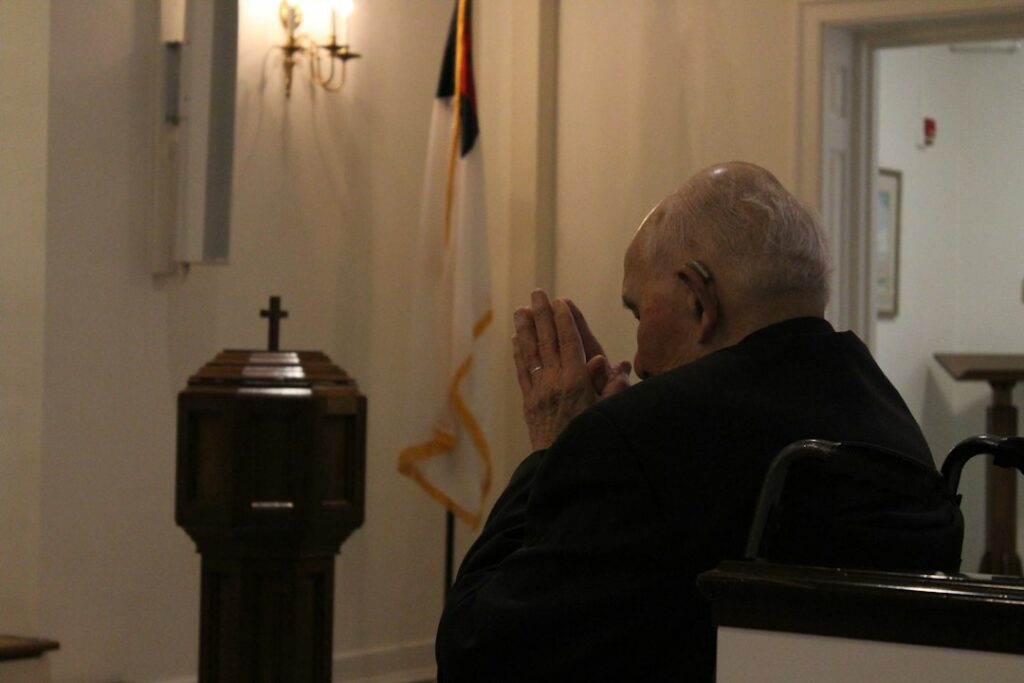
Pennsylvania assisted living residents have the right to practice the religion or faith of their choice, or to practice no religion. Residents also have the right to be treated with dignity and may not be discriminated against because of religious creed, ancestry, national origin, race, or other protected characteristics.
Practical religious accommodations may include:
- Private time for prayer, meditation, or scripture reading
- Help arranging transportation or communication with a faith community
- Visits from clergy, spiritual advisers, or other approved religious visitors
- Access to religious objects, clothing, music, or reading materials
- Adjustments to personal care routines when modesty or gender preferences are involved
- The ability to decline religious services, activities, or conversations
A resident should not be pressured to attend worship, participate in religious programming, accept prayer, or follow another person’s beliefs. Freedom of religion includes the freedom not to participate.
How can meals reflect religious and cultural practices?
Food is often one of the most visible parts of a person’s cultural identity. Dietary needs may be based on religious rules, cultural customs, fasting periods, food preparation methods, allergies, medical conditions, or personal preference.
Before move-in, families should describe specific requirements rather than using broad labels alone. For example, it may be helpful to explain whether a resident avoids particular meats, requires separate preparation, follows fasting periods, prefers certain grains or vegetables, or needs meals served at particular times.
Questions worth asking include:
- Can meals be adjusted for religious or cultural dietary restrictions?
- How are substitutions documented and communicated to kitchen staff?
- Can a resident keep approved personal food in the room?
- How are fasting practices handled when medications or medical conditions are involved?
- Can family members bring traditional foods, and what food-safety rules apply?
- Are texture, temperature, spice level, and portion preferences recorded?
Medical needs may affect how a dietary practice is carried out. For example, a fasting tradition may need to be discussed with the resident’s health-care team if the person uses medication that must be taken with food. The goal should be to respect the practice while also explaining health risks and available alternatives.
What cultural preferences should be included in a care plan?
Cultural accommodation is broader than food or holidays. It can include communication style, family roles, personal space, bathing preferences, clothing, music, activities, and expectations about decision-making.
A resident’s support plan may need to record:
- Preferred name and pronunciation
- Primary language and communication needs
- Important cultural or religious holidays
- Preferred times for bathing, dressing, meals, and sleep
- Comfort with touch, personal care, and same-gender caregivers
- Clothing, head coverings, jewelry, or grooming practices
- Preferred foods, music, television, books, and activities
- Family members who should participate in decisions
- Customs related to illness, death, mourning, and remembrance

These details should not be treated as stereotypes. Two people who share a religion, nationality, or cultural background may have very different levels of observance and different personal preferences. The resident’s own statements should guide care whenever possible.
How are religious holidays handled in assisted living?
Religious and cultural holidays may affect meals, schedules, visitors, worship, clothing, decorations, and activities. A resident may want to observe a holiday privately, attend a service, receive family visitors, or participate in a community event.
Families can help by providing a calendar of meaningful dates and explaining which traditions are essential. Some residents may observe a holiday through prayer or food restrictions rather than group activities. Others may want familiar music, special clothing, candles, ceremonial objects, or a particular meal.
Safety rules still apply. Open flames, cooking appliances, certain foods, and crowded gatherings may require alternatives. A safe substitute might include battery-operated lighting, supervised food preparation, or a private room arrangement.
Seasonal conditions can also affect plans in Brookville. Winter weather, snow, ice, and limited daylight may make outside worship or family travel difficult. Planning visits, transportation, and virtual participation in advance can help preserve important connections without creating avoidable risks.
What if a resident speaks a language other than English?
Communication needs should be identified before a resident moves in and reviewed if the person develops hearing, vision, speech, or memory changes. A resident should understand care instructions, medication information, house rules, financial documents, and changes to services.
Helpful approaches may include:
- Using the resident’s preferred language when possible
- Confirming understanding instead of assuming agreement
- Providing written information in an accessible format
- Including a trusted family member or designated representative when authorized
- Using qualified interpretation for important medical, legal, or care decisions
- Avoiding reliance on a child or another resident for sensitive interpretation
A family member may know the resident well, but personal health information and major decisions require privacy and clear communication. Interpretation should not be replaced by guessing, gestures, or hurried explanations.
How should families raise concerns about cultural or religious needs?
The best time to discuss accommodations is before admission, but it is never too late to update the support plan. Families should describe the resident’s preferences in writing and identify which practices are essential, which are preferred, and which are optional.
If a request is denied, ask for the specific reason. The issue may involve staffing, food safety, building rules, transportation, or a misunderstanding about the resident’s needs. A clear explanation may lead to a workable alternative.
Residents have the right to voice concerns and communicate privately with an ombudsman. If a resident believes discrimination, coercion, neglect, or mistreatment is occurring, the concern should be documented and reported through the residence’s complaint process or the appropriate state oversight channel.
Cultural and religious accommodation works best as an ongoing conversation. Preferences may change as health, mobility, memory, family circumstances, or spiritual needs change. Respectful care recognizes the resident as an individual—not simply as a diagnosis, age group, faith, or cultural category.
